The Dental Facelift Explained: What It Is, What It Can Do and What It Cannot
"Dental facelift" is a marketing term. Learn what treatments it usually means, how teeth and bite affect the lower face, and what to ask before you agree to a plan.
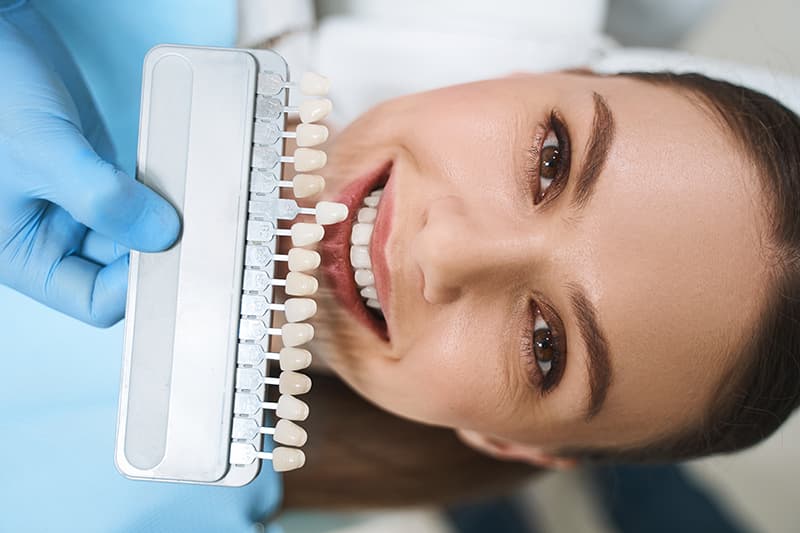
The phrase "dental facelift" sounds like a surgical procedure. It is not. It is a marketing term used for dental treatments that restore the shape, length and position of the teeth in a way that can improve how the lower face looks. This guide explains what is actually involved, what to expect and what to ask. See also our [dental facelift treatment page](/treatments/dental-facelift).
What the term usually means
A dental facelift is not a single treatment. It usually means a plan that restores worn, missing or poorly positioned teeth so that the teeth, lips and lower face are better supported. The plan may include:
It is a restorative and cosmetic plan, designed around your face.
How teeth affect the lower face
Teeth support your lips and cheeks from the inside, and the jaws determine how closely the upper and lower teeth meet.
Dentistry can restore these elements. It cannot do what a surgical facelift does, such as lift or tighten skin.
What it can and cannot do
It can:
It cannot:
Any clinic promising a specific change in your face should be asked how they can know that.
Who might be suitable
People most often considered for this kind of plan include those with:
A suitable plan starts with a thorough assessment. This is a major treatment, so there is no rush.
How the assessment works
1. Medical and dental history, including grinding, jaw pain and headaches
2. Photos of your face and smile, from several angles and at rest
3. Bite and jaw examination, including how your jaw moves
4. X-rays or a 3D scan
5. Models or a digital design, often with a temporary mock-up so you can see and test the proposed changes
Rebuilding the bite is sometimes tried first with temporary restorations, so you can wear and assess it before final work.
What the treatment looks like
Larger plans are staged:
1. Treat disease and stabilise the mouth
2. Plan the new bite and tooth shapes
3. Try the plan with temporary restorations
4. Make and place the final crowns, veneers, implants or prostheses
5. Review and adjust, then protect with a night guard if needed. See [grinding and night guards](/blog/teeth-grinding-and-night-guards-causes-signs-and-treatment).
Timing depends on the size of the plan. See [how many days you need](/blog/how-long-to-stay-in-turkey-for-veneers-crowns-and-bridges) for typical schedules and [dental implants: the complete guide](/blog/dental-implants-complete-guide-process-suitability-recovery) if implants are part of the plan.
Questions to ask a clinic
1. What exactly does your dental facelift include for my case?
2. Why do you think my face and bite need this?
3. Which teeth would be treated, and with what?
4. Will I see a mock-up or trial before final work?
5. What are the alternatives, including doing less?
6. What are the risks, and what maintenance do I need afterwards?
7. Who will carry out each part?
See also [red flags in dental tourism offers](/blog/red-flags-in-dental-tourism-offers). Be cautious of a clinic that uses the phrase mainly to sell a large package.
Looking after the result
Restorations need cleaning, regular check-ups and, where there is grinding, a night guard. Long-term results depend on your habits and your oral health.
Frequently asked questions
Is a dental facelift a surgical procedure?
No. It uses dental restorations, not surgery on the face, although implant placement or gum work involve minor surgery.
Will it make me look younger?
It may improve how the lower face looks if worn or missing teeth were part of the problem. It will not tighten skin.
Is it right for everyone?
No. It suits specific situations, and a dentist should tell you honestly if it does not suit you.
Next step
[Book a free consultation](/contact) with Atlas Dental. We will examine your teeth, explain your options and give you a written plan.
Ready to Transform Your Smile?
Contact Atlas Dental Clinic today for a free consultation and personalized treatment plan.
Related Topics:
Medically reviewed by Dt. Fatma Kuvvetli — Co-founder & General Dentist
This article is general information about dental treatment and is not medical advice. Treatment options, risks and outcomes vary between patients and can only be assessed at a clinical examination.