Gum Contouring and Gummy Smile Treatment: Who It Is For and What Recovery Is Like
Why some smiles show a lot of gum, what causes it, how gum contouring works, what recovery involves and when other treatments are a better fit.
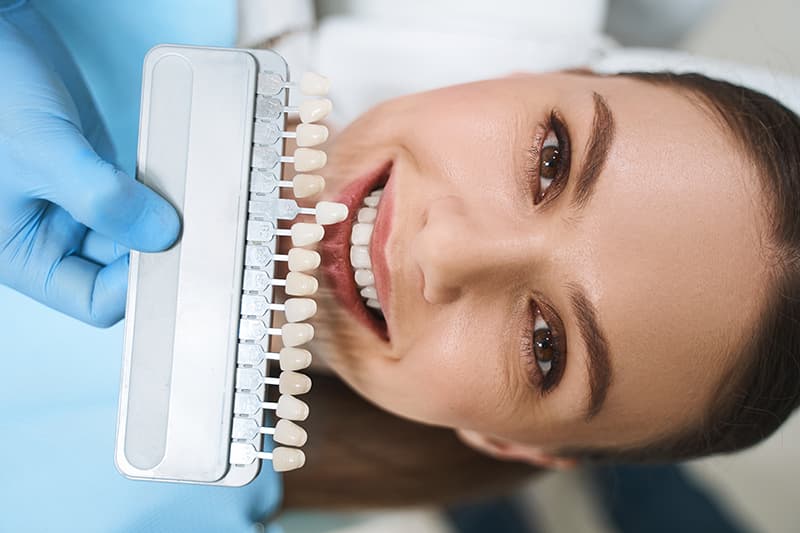
Some people love their teeth but feel self-conscious because their smile shows a lot of gum, or because their gum line is uneven. Gum contouring reshapes the gum line to create better balance between teeth and gums. It is not the right answer for every gummy smile, and a good dentist begins by asking why you show so much gum. Read it alongside our [gum contouring treatment page](/treatments/gum-contouring).
What gum contouring is
Gum contouring, sometimes called gum reshaping or a gum lift, removes or reshapes a small amount of gum tissue so that more of the tooth is visible and the gum line follows a pleasing curve. It can be done with a scalpel or a soft-tissue laser, depending on the case and the dentist's preference. In some cases a small amount of bone is also reshaped, which is closer to a crown lengthening procedure.
Why a smile can look gummy
A gummy smile is not one condition. The right treatment depends on the cause.
1. Excess gum tissue. The gum sits higher on the teeth than usual, so teeth look short. Contouring suits this well.
2. Teeth that have not fully emerged. The gum covers more of the tooth than it should. Sometimes called altered passive eruption. Contouring, and sometimes bone reshaping, helps.
3. Short teeth from wear. Teeth have worn down, so gums seem prominent. Restoring tooth length with crowns, veneers or bonding may be needed instead.
4. An active upper lip. The lip lifts high when you smile, exposing gum. Gum contouring alone may not fix this.
5. Jaw position. The upper jaw may sit lower or longer. Orthodontic or surgical treatment may be discussed.
A dentist examines your smile at rest and while smiling, takes photos and measurements, and explains which cause applies.
What a consultation covers
A digital preview can help you see how a change in gum height would look.
The procedure
1. Numbing. Local anaesthetic numbs the area.
2. Marking. The new gum line is carefully marked so the curve and symmetry are right.
3. Reshaping. Tissue is removed with a scalpel or laser. If bone needs adjusting, the gum is lifted and replaced.
4. Finishing. The gum is smoothed and, if needed, stitched. A protective dressing may be used.
Treatment time depends on how many teeth are involved. It is often combined with other cosmetic work. See [smile makeover](/treatments/smile-makeover) and [veneers](/treatments/dental-veneers).
Recovery
Healing is usually straightforward but takes time.
Smoking slows healing, so avoid it. Follow your dentist's written instructions. If you notice heavy bleeding, increasing pain, swelling or fever, contact your dentist. See [dental aftercare guide](/blog/dental-aftercare-guide-home-care-diet-and-check-ups) for general advice on diet and cleaning after procedures.
Risks and limits
This is why diagnosis matters more than the procedure itself. Ask the dentist how they decided that contouring suits you.
Gum contouring before veneers or crowns
When veneers or crowns are planned, the gum line is often set first, because the shape of the gum affects how the final teeth look. This is a common reason for contouring, and the sequence matters: allow the gums to heal before final shades and shapes are chosen.
Planning treatment while travelling
If you are combining gum contouring with other work, ask how long the gums need to heal before the next stage. See [how many days you need for veneers, crowns and bridges](/blog/how-long-to-stay-in-turkey-for-veneers-crowns-and-bridges) and our [trip checklist](/blog/dental-trip-to-izmir-planning-checklist).
Frequently asked questions
Is gum contouring permanent?
In many cases the result is lasting, but gums can change with disease or if the underlying cause persists. Your dentist can explain what to expect.
Does it hurt?
It is done under local anaesthetic. Soreness afterwards is usually manageable.
Is a laser better than a scalpel?
Both can give excellent results. The dentist's skill and the diagnosis matter more than the tool.
Can contouring fix all gummy smiles?
No. If the cause is lip movement, tooth wear or jaw position, other treatments may be needed.
Next step
[Book a free consultation](/contact) with Atlas Dental. We will examine your teeth, explain your options and give you a written plan.
Ready to Transform Your Smile?
Contact Atlas Dental Clinic today for a free consultation and personalized treatment plan.
Related Topics:
Medically reviewed by Dt. Fatma Kuvvetli — Co-founder & General Dentist
This article is general information about dental treatment and is not medical advice. Treatment options, risks and outcomes vary between patients and can only be assessed at a clinical examination.