İzmir Travel Guide for Dental Patients: Where to Stay, Eat, Get Around and What to See
A practical guide to İzmir for people travelling for dental treatment: areas to stay, getting around, eating well while you recover, the weather by season and easy day trips.
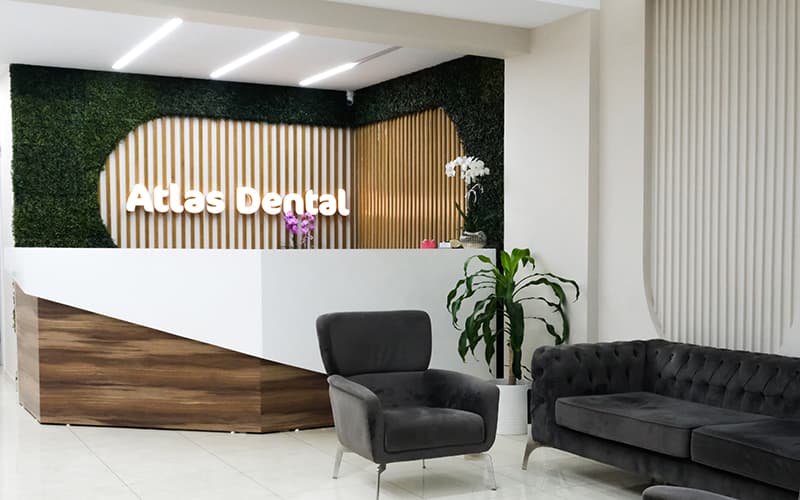
Travelling for dental treatment is part medical appointment, part trip. This guide covers what patients usually want to know about İzmir: where to stay, how to get around, what to eat while you recover, what the weather is like through the year and which outings are easy between appointments. It is general travel information, so confirm current details such as transport routes and opening hours before you go.
About İzmir
İzmir is a large port city on Turkey's Aegean coast, with a long history, a lively waterfront and a relaxed pace by Turkish big-city standards. Its central districts are close to the bay, which makes the sea a constant presence. Konak, where Atlas Dental is located, is the historic centre, home to Konak Square and the old Kemeraltı bazaar quarter.
Where to stay
Practical points matter more than luxury when you are having treatment:
Central areas such as Konak and the seafront districts are popular because many services are nearby. Ask your clinic how far each option is from the appointments you will attend.
Getting around
Always check current transport information before travelling, as routes and services change.
Eating well while you recover
Aegean cooking centres on vegetables, olive oil, fish and fresh herbs, with plenty of dishes that are easy on a sore mouth. Soups are a staple, for example lentil soup, and are among the easiest foods after dental surgery. Yoghurt, soft rice dishes, well-cooked vegetables and mashed or blended meals are easy to find.
After surgery, follow your dentist's instructions about temperature and texture. Avoid hot, spicy, hard or crunchy foods in the early days unless told otherwise, and be careful with alcohol while you are healing or taking medication. See [what to eat after All-on-4](/blog/all-on-4-complete-guide) for a sample soft diet.
The weather through the year
İzmir has a Mediterranean-type climate: summers are hot and dry, winters are mild and wetter, and spring and autumn are generally pleasant. This is a general pattern, so check the forecast close to your trip.
Easy outings between appointments
Keep plans light, flexible and optional:
Ask your dentist when it is safe to travel, swim, exercise and spend time in strong sun after your procedure. Do not book non-refundable day trips for the days right after surgery.
A realistic mindset
The first days after surgery are for resting. Treat sightseeing as a bonus for the days you feel well, and build your plans around the clinic's schedule, not the other way round. See [how to prepare for a dental trip](/blog/dental-trip-to-izmir-planning-checklist) for the full checklist.
Frequently asked questions
Is İzmir easy for visitors who do not speak Turkish?
In tourist areas many people speak some English, and the dentists and coordinators at Atlas Dental work in English. It still helps to have the clinic's address and phone number saved.
Can I swim in the sea during treatment?
It depends on the procedure. Ask your dentist, especially after surgery, because cleanliness and healing matter.
Do I need to book everything in advance?
Book flights and accommodation once your treatment plan and dates are confirmed, and keep some flexibility in case a review visit is added.
Next step
[Book a free consultation](/contact) with Atlas Dental. Tell us about your plans and we will help you organise the treatment schedule around them.
Ready to Transform Your Smile?
Contact Atlas Dental Clinic today for a free consultation and personalized treatment plan.
Related Topics:
Medically reviewed by Dt. Fatma Kuvvetli — Co-founder & General Dentist
This article is general information about dental treatment and is not medical advice. Treatment options, risks and outcomes vary between patients and can only be assessed at a clinical examination.