Teeth Whitening: How It Works, What to Expect and How Long Results Last
A clear guide to professional teeth whitening: how it works, who it suits, why teeth get sensitive, what whitening cannot change and how to make results last.
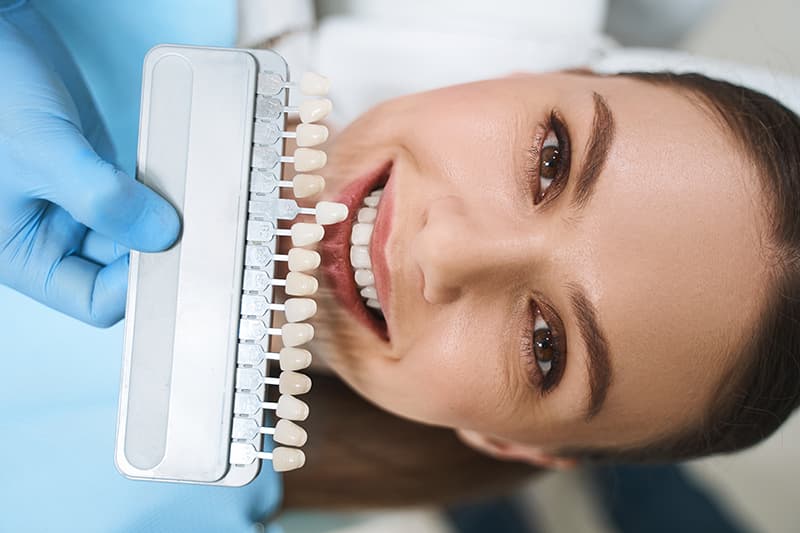
Whitening is one of the most requested cosmetic treatments and one of the most misunderstood. Many people expect one session to produce a perfect white smile and are surprised when old fillings or crowns do not change colour. This guide explains how whitening works, what affects the result, and how it fits alongside other options. Read it with our [teeth whitening treatment page](/treatments/teeth-whitening).
How whitening works
Professional whitening uses a peroxide-based gel that penetrates the enamel and breaks down the molecules that cause staining. It does not remove a layer of the tooth and it is not a polish. Your teeth keep their natural structure, but the pigments within them become lighter.
Two main approaches are used:
Which is better depends on your teeth, your sensitivity and how quickly you want a result.
What decides how well it works
A good dentist tells you honestly what to expect rather than promising a particular shade.
What whitening cannot change
Whitening only works on natural tooth surfaces. It does not change the colour of:
If you have restorations on visible teeth, whiten first, then match any new work to the final shade. Otherwise you can end up with whiter natural teeth next to unchanged crowns. This is also why [smile makeover plans](/treatments/smile-makeover) often start with whitening.
Before you start: the check-up
Whitening should begin with an examination. The dentist checks for:
Whitening over untreated problems is uncomfortable and can make them worse. A professional clean beforehand also improves the result.
Sensitivity: why it happens and what helps
Temporary sensitivity is the most common side effect. The gel can pass through enamel to the nerve, so teeth may feel sensitive to cold or air for a day or two, sometimes longer. Gums can become sore if they touch the gel.
Ways dentists reduce it include:
Tell your dentist if you already have sensitive teeth, as it affects the plan. Stop and call if you have sharp pain rather than mild sensitivity.
How long results last
There is no fixed answer. Whitening is not permanent, and the shade gradually returns as new stains build up. How fast depends on your diet, habits and cleaning. Some people top up once or twice a year; others rarely need to.
To make results last:
1. Rinse with water after coffee, tea, red wine and dark sauces
2. Use a straw for staining drinks where practical
3. Brush twice a day and clean between your teeth
4. Attend regular professional cleans
5. Avoid smoking
6. Ask about a top-up using your custom trays
Whitening versus other options
If your main concern is colour and your teeth are healthy and well shaped, whitening may be enough. If you also want to change shape, close gaps or fix chips, other treatments come into play. See [composite bonding vs veneers](/blog/porcelain-veneers-choosing-the-right-option) and [veneers: safety, lifespan and aftercare](/blog/veneers-safety-lifespan-and-aftercare).
A caution about over-the-counter products
Home kits and strips vary widely. Some give modest results, and misuse can irritate gums or contribute to enamel wear. Products that are very acidic or abrasive can harm teeth. Do not whiten a child's teeth, and ask your dentist before using any strong product, particularly if you are pregnant or have a medical condition.
Whitening while travelling for treatment
Many patients whiten as part of a larger plan. If you are travelling, ask how many visits whitening needs, whether take-home trays are provided, and when to whiten relative to veneers or crowns. Plan your schedule with the clinic. Our [planning checklist](/blog/dental-trip-to-izmir-planning-checklist) covers how to prepare.
Frequently asked questions
Does whitening damage enamel?
When done by a dentist, as directed, whitening is widely considered safe for healthy teeth. Misuse and very strong products are where problems arise. Your dentist can advise on your teeth.
Can I whiten if I have fillings or crowns?
Yes, but those restorations will not change colour. Plan the order of treatment with your dentist.
How white can my teeth go?
It depends on the type of stain and your natural shade. A dentist can explain the likely range for your teeth after examining them.
Is it painful?
Many people feel only mild, temporary sensitivity. Tell your dentist if you have sensitive teeth so the plan can be adjusted.
Next step
[Book a free consultation](/contact) with Atlas Dental. We will examine your teeth, explain your options and give you a written plan.
Ready to Transform Your Smile?
Contact Atlas Dental Clinic today for a free consultation and personalized treatment plan.
Related Topics:
Medically reviewed by Dt. Fatma Kuvvetli — Co-founder & General Dentist
This article is general information about dental treatment and is not medical advice. Treatment options, risks and outcomes vary between patients and can only be assessed at a clinical examination.