Veneers: Safety, Lifespan and Aftercare
Do veneers damage teeth, how long do they last, and what to do about chips, staining and sensitivity.
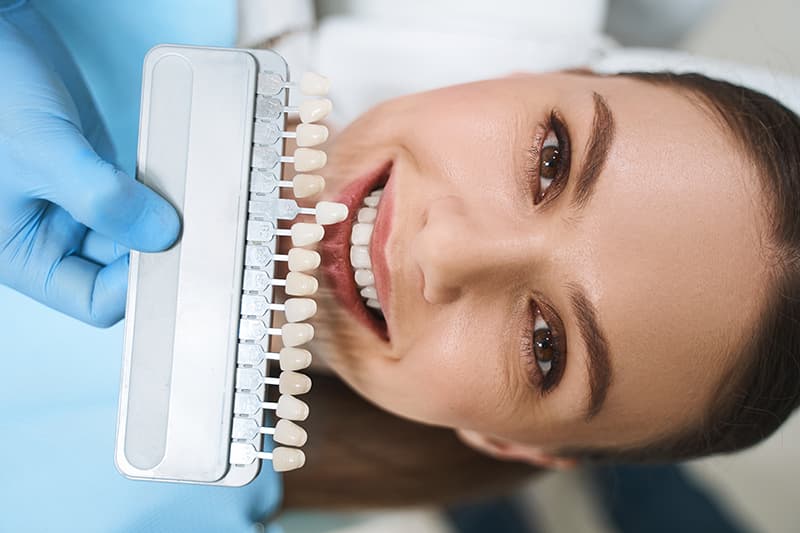
Once you have decided on veneers, the next questions are about the teeth underneath, how long the result will last and what to do if something goes wrong. This guide covers all three.
Do veneers damage your teeth?
The honest answer
With conventional veneers, a thin layer of enamel is usually removed so the veneer sits flush. Enamel does not grow back, so this is a permanent change. That is why the decision should be careful.
Why preparation matters
Removing enough enamel allows a natural shape and thickness. Removing too much exposes the layer beneath and can cause sensitivity.
Ways to limit it
After veneers
Veneers are bonded to the tooth. Good hygiene and regular check-ups protect both veneer and tooth. Grinders may need a [night guard](/treatments/gum-shield).
Risks to know about
Sensitivity, chipping or debonding, and the long-term commitment to maintaining the veneers.
What the enamel does
Enamel is the hard outer layer of the tooth. It protects the softer dentine beneath and cannot regrow. When some is removed for a veneer, the remaining tooth structure has to do the same job under the veneer, which is why preparation is kept as conservative as the design allows.
Preparation types
Ask which applies to your plan and how the dentist will measure the preparation.
Reducing risk
Sensible steps include a mock-up before preparation, a clear explanation of how much will be removed, protection of the prepared teeth with temporaries, careful bonding and a follow-up check. After treatment, good hygiene and a night guard where needed help protect the teeth.
When veneers may not be right
Veneers may not suit very weak teeth, active decay or gum disease, uncontrolled grinding or people who are not prepared to maintain them. A good dentist will tell you so and suggest alternatives.
How long do veneers last?
No guaranteed timeline
Veneers can last many years, but the figure varies from person to person. Your dentist can give an honest expectation for your case.
What can shorten their life
What protects them
1. Brush and floss every day
2. Attend check-ups and hygiene visits
3. Wear a [custom night guard](/treatments/gum-shield) if advised
4. Avoid using teeth as tools
5. Treat problems early
When veneers need attention
A chip, a loose edge, a change in colour at the margin, or tenderness. Contact your dentist. See veneer problems and how to fix them.
Veneers need maintenance
Veneers are not a one-off purchase. Expect check-ups, polishing and, over the years, possible repair or replacement. Margins can show wear, edges can chip and gums can recede, exposing the edge of a veneer. Regular review catches these early.
Habits that matter
Nail biting, chewing pens, opening packets with teeth and ice crunching can chip veneers. If you grind your teeth, a custom night guard protects them. See [custom gum shields](/treatments/gum-shield).
Diet and staining
Porcelain veneers resist stain well, but the surrounding teeth do not. If you drink a lot of coffee, tea or red wine, your natural teeth may darken and eventually stand out against the veneers. Regular cleaning helps.
Gums and the long term
Healthy gums frame veneers and keep margins sealed. Gum disease can lead to recession and darker margins. Keep up flossing and professional cleaning.
Plan for the future
Ask your dentist what the maintenance schedule should be, how long they would expect your veneers to last in your case, and what the process is when one needs replacing.
Veneer problems and how to fix them
Most veneers do well, but problems can happen
Knowing what to look for helps you act early.
Common problems
Chipping or cracking. Often linked to grinding or biting hard objects. Small chips can sometimes be repaired; larger ones may need replacement.
A loose or fallen veneer. The bond has failed. Keep the veneer, avoid chewing on that tooth and contact your dentist.
Sensitivity. Some sensitivity can occur after preparation and often settles. Persistent sensitivity should be examined.
Staining at the edge. Porcelain resists stains, but the line where veneer meets tooth can pick up discolouration.
Gum irritation. Rough edges or plaque can inflame the gum.
Colour mismatch. Raise it before final bonding, when changes are easier.
What to do
1. Do not try to fix a veneer yourself
2. Contact your dentist or clinic promptly
3. Bring photos if you are abroad; see [what to do if something goes wrong after treatment abroad](/blog/what-if-something-goes-wrong-after-dental-treatment-abroad)
Prevention
See how long veneers last, and consider a [night guard](/treatments/gum-shield) if you grind.
Why problems happen
Veneers are bonded to teeth, and the bond and the porcelain are both strong but not invincible. Problems are usually caused by excess force, such as grinding or biting hard objects, by the bond weakening over time, or by gum and tooth changes at the margin.
What a dentist can do
What to do while you wait for an appointment
Avoid chewing on the affected tooth, keep any fallen veneer safe, do not use glue, and keep the area clean. Contact your dentist or clinic and send photos if you are abroad.
When to seek urgent help
Severe pain, swelling or fever need prompt attention, as they may signal infection.
Preventing repeat problems
Treat the cause: a night guard for grinding, a bite adjustment if needed and better hygiene. See how long veneers last.
Frequently asked questions
Are veneers reversible?
Not when enamel has been removed.
Do they cause decay?
Not by themselves, but plaque at the edges can, so cleaning matters.
See [dental veneers](/treatments/dental-veneers).
Can veneers be replaced?
Yes, though it involves further treatment.
Do veneers stain?
Porcelain resists stains, but the edges and natural teeth can.
See [dental veneers](/treatments/dental-veneers).
Is a fallen veneer an emergency?
Usually not, but arrange a visit soon to protect the tooth.
Will the warranty cover it?
Check the terms; see [warranty on dental work](/blog/warranty-on-dental-work-what-is-realistic).
Next step
[Book a free consultation](/contact) with Atlas Dental and we will review your case and give you a written plan.
Ready to Transform Your Smile?
Contact Atlas Dental Clinic today for a free consultation and personalized treatment plan.
Related Topics:
Medically reviewed by Dt. Fatma Kuvvetli — Co-founder & General Dentist
This article is general information about dental treatment and is not medical advice. Treatment options, risks and outcomes vary between patients and can only be assessed at a clinical examination.